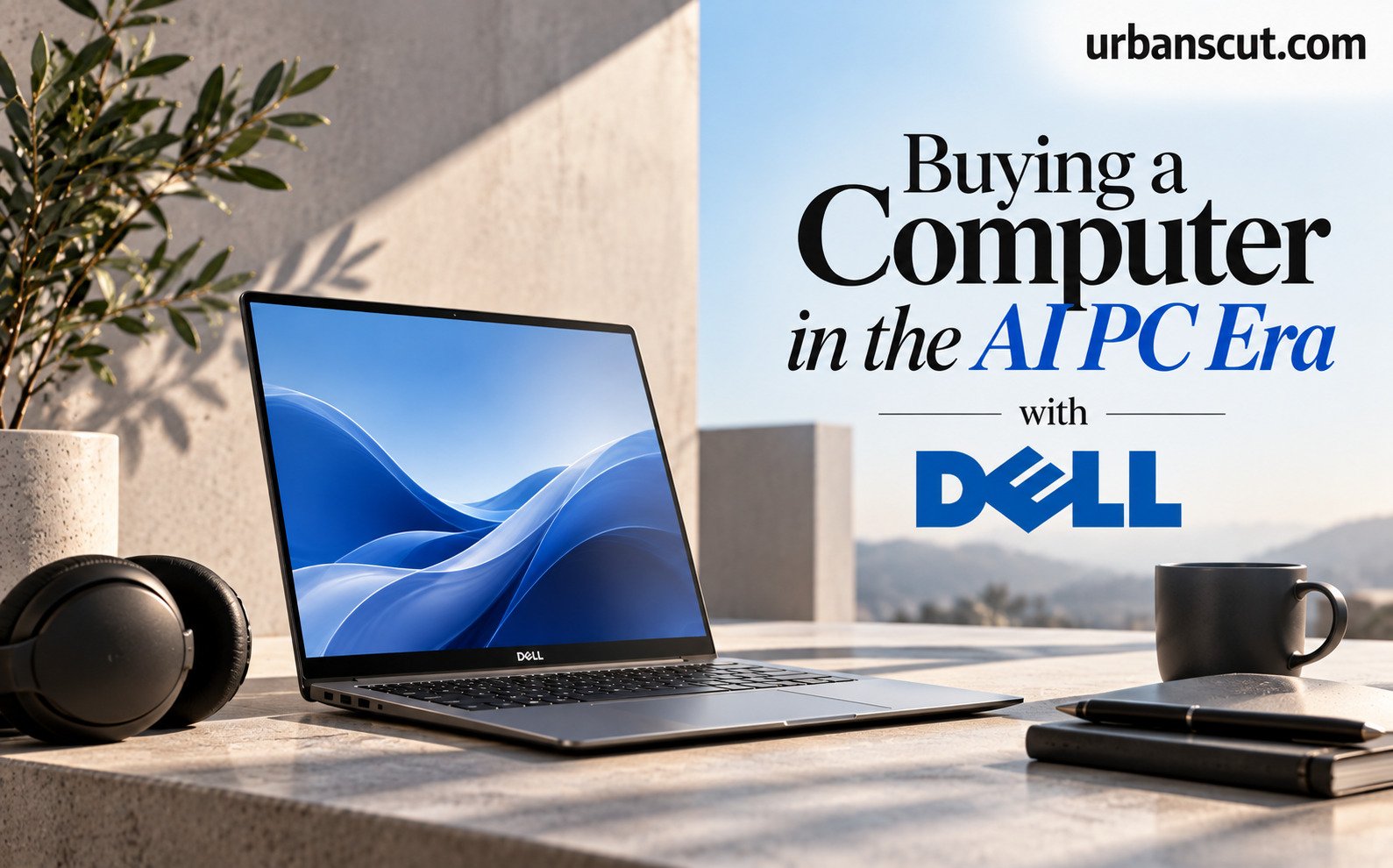
Add up the hours. For most of us, the computer is the single object we spend the most waking time with — more than the car, more even than the phone once you count the working day. It is where we earn a living, learn, create, apply for things, talk to people we love and build whatever we’re building. And yet we treat it strangely. We’ll agonise for weeks over which phone to buy, then keep a wheezing laptop limping along until it finally dies, as if the machine we actually live inside were an afterthought. That instinct made a certain sense when every new computer was just a slightly faster version of the last one. It makes far less sense now — because for the first time in a decade, the machine on your desk is genuinely becoming something new, and the gap between a five-year-old laptop and a current one is about to feel less like a few steps and more like a different category of device.
The First Real Leap in Years
The shift has a name: the AI PC. For years, a new laptop meant the same things done a little quicker. The current generation changes the hardware itself, adding a dedicated NPU (neural processing unit) alongside the usual processor and graphics — a chip built specifically to run artificial intelligence. That sounds abstract until you realise what it enables: AI features that run directly on your device rather than in the cloud, which means they’re faster, work offline, and keep your data on your own machine instead of sending it away. Live translation, smart search across everything you’ve ever saved, real-time effects on calls, assistants that actually assist — handled locally. This isn’t a niche. Industry analysts expect AI-capable PCs to make up more than half of all computers shipped in 2026. The machine is crossing a line, and the laptops being sold today are the first that will feel current in five years rather than merely old. The privacy angle alone is worth pausing on: an assistant that summarises your documents or cleans up your photos without ever uploading them is a meaningfully different proposition from one that ships your life to a server farm first. And because the work happens on the chip in front of you, it keeps working on a plane, in a dead-zone, or anywhere the Wi-Fi gives out. For the first time, “faster” isn’t the headline. “Capable of something the old one simply couldn’t do” is.
A Company Built in a Dorm Room
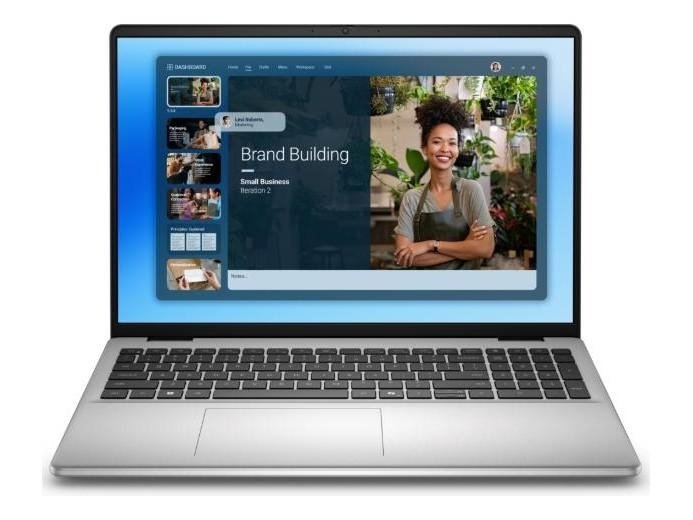
If any company was built for a moment like this, it’s Dell. The story is almost mythical by now: in 1984, a 19-year-old named Michael Dell started building and selling computers from his University of Texas dorm room, on a radical premise — sell directly to the customer and build each machine to order. That idea grew into one of the largest PC makers on earth. And in a smart bit of timing, Dell recently simplified its entire lineup for exactly this era, retiring decades-old names like XPS, Inspiron and Latitude in favour of three plain tiers: Dell for everyday life, Dell Pro for professional work, and Dell Pro Max for maximum performance — each offered in Base, Plus and Premium levels, with Alienware still flying the flag for gaming. After years of alphabet soup, it’s finally a map a normal person can read. That original build-to-order idea still matters, too: rather than taking whatever the shelf happens to hold, you can configure a machine to the exact memory, storage and screen you need, which is the whole point when you’re buying something to keep for years. Behind it sits the scale and the business-grade support of one of the industry’s giants — reassuring when the device in question is the one your livelihood runs on.
Buy the Life, Not the Spec Sheet
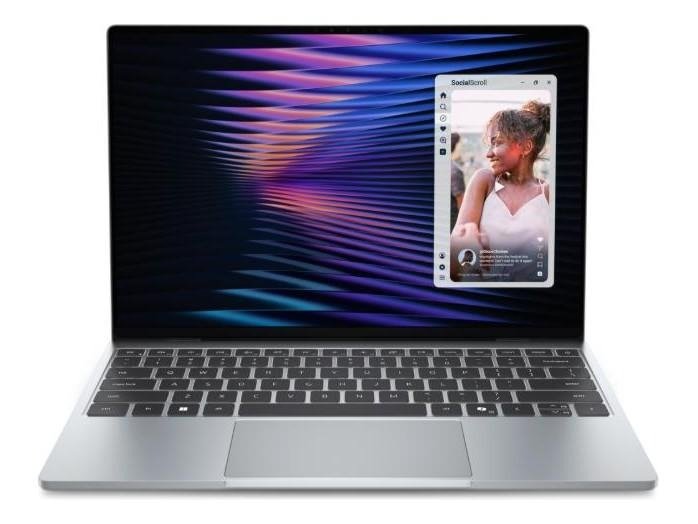
Which brings us to the only rule that really matters: buy the life, not the spec sheet. Start from how you actually live, not from a column of numbers. A student writing essays and juggling browser tabs needs something light, long-lasting and affordable; a creator editing photos or video needs power, memory and a genuinely good screen; a professional living in spreadsheets and video calls needs reliability and battery that survives a day of meetings. From there, a few specs do most of the work: aim for 16GB of memory or more so the machine doesn’t choke on everyday multitasking, a solid-state drive for speed, a display good enough to look at for hours without fatigue, and — if you want the new AI features — an NPU rated for them. Weight and battery decide how often you’ll actually carry it; the ports decide how much dongle-juggling you’ll endure; build quality decides whether it still feels solid in year three. Then buy a little more than you need today, because you’re choosing a machine for the next four or five years, not the next four or five weeks — and if budget is tight, a well-specified model from last cycle, or a certified refurbished one, will serve you far better than a brand-new machine with too little memory to breathe.
The Machine Is the Room
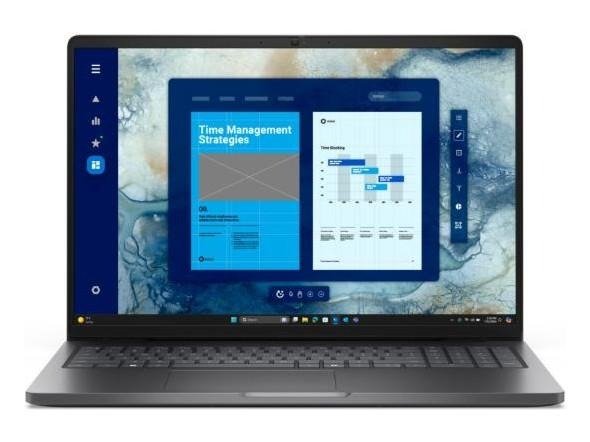
There’s a final truth we tend to ignore: the machine is really a room. It is the space where your whole working and creative life takes place, and like any room, it shapes how it feels to be in it. A screen that’s too small, a laptop that’s always gasping, a battery you can’t trust — these aren’t minor annoyances; they are a low, constant tax on your focus and your mood, levied every single day. Treating the setup as a habitat changes the calculus. A second monitor, a machine that wakes instantly and runs cool and quiet, a keyboard your hands are happy on — these are not indulgences. They are the difference between dreading the desk and actually wanting to sit down at it. There is a real ergonomic and even health dimension here as well — a screen at the right height, a machine that doesn’t roast your lap or scream its fans, the simple calm of things that just work — and all of it compounds over the thousands of hours you’ll log. You would never furnish the room you spend most of your life in with broken furniture, or sit all day in a chair that hurt. Your computer, the most-used tool you own, deserves at least that much thought.
Choose Where You’ll Spend Your Life
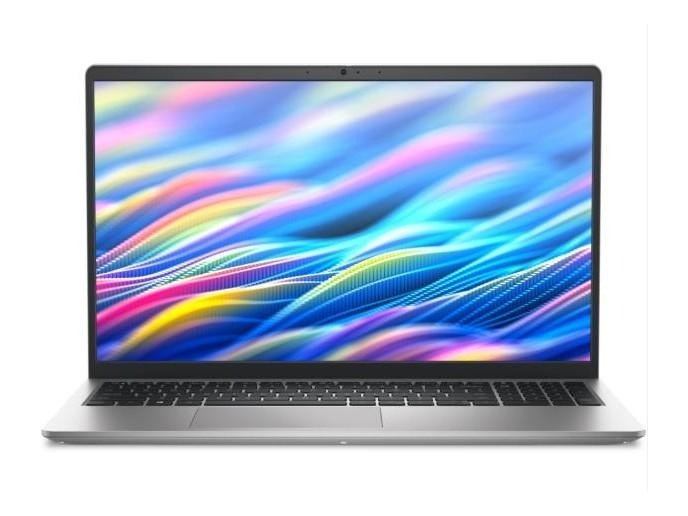
So the next time your old laptop stutters and you’re tempted to squeeze another year out of it, reframe the decision. You’re not buying a gadget; you’re choosing the room where you’ll spend an enormous share of your one finite life — and, for the first time in years, the rooms on offer are fundamentally better than the one you’re in. Pick the machine that matches how you actually live, built to carry you into the AI era rather than out of the last one, and give the most-used tool you own the thought you’d give anything else this important. Choose it well, and the hours you spend inside it quietly get better.
▶ FIND YOUR NEXT MACHINE AT DELL
Disclosure: This article contains affiliate links. If you make a purchase through them, Urbanscut may earn a commission at no extra cost to you.