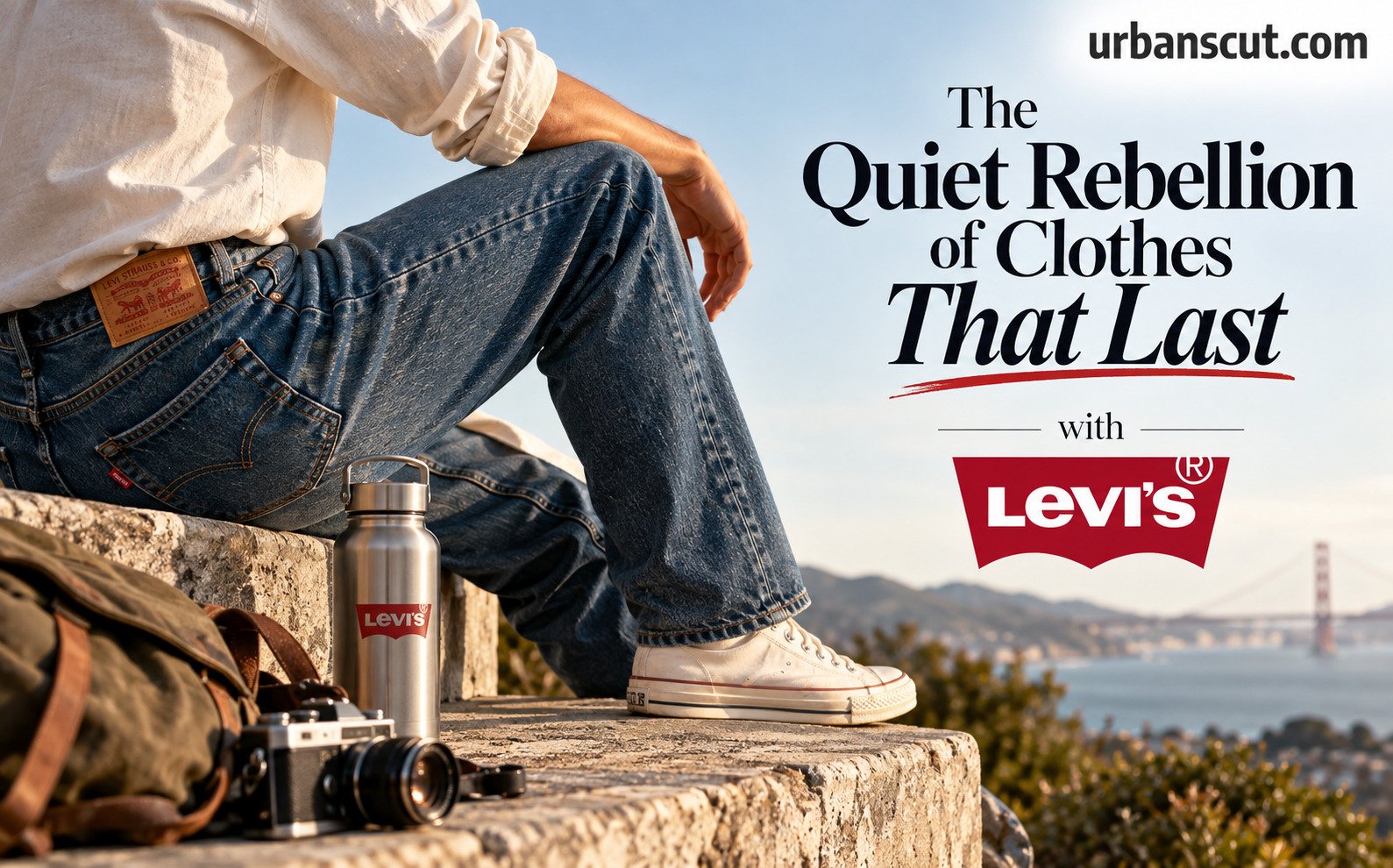
Modern fashion runs on forgetting. The industry now moves through dozens of micro-seasons a year, each one engineered to make last month’s purchase feel embarrassing, and the result is a staggering tide of barely-worn clothing heading to landfill almost as fast as it leaves the store. Against all of that, consider the single most quietly radical object in your wardrobe: a pair of jeans that has been with you for years and somehow looks better now than the day you bought them. Softer. More yours. In a culture built to make you buy again and again, the most rebellious thing you can do is buy something you actually intend to keep — and almost nothing is better engineered to be kept than a great pair of denim. This isn’t nostalgia; it’s arithmetic and ethics at once. The clothes that last are kinder to your money and to the planet, and they quietly push back against an industry that would rather you never stopped shopping.
A Garment Older Than the Trend
To understand why, you have to go back further than almost any brand still trading. Levi Strauss & Co. was founded in San Francisco in 1853, but the moment that matters most is May 20, 1873, the day Levi Strauss and a Nevada tailor named Jacob Davis were granted the patent for putting copper rivets at the points where work trousers tore. That patent didn’t just improve a pant — it invented the blue jean. The garment that would become the 501 (the lot number dates to 1890) was never designed to be fashionable; it was designed to survive miners, railroad workers and ranch hands. More than 150 years later, it has outlived every trend that ever tried to replace it, for the simple reason that it was built, from the very first rivet, to last. What’s remarkable is how many lives that one pant has lived without ever changing its essential shape: workwear for the frontier, then rebellion on the backs of midcentury movie stars, then the uniform of rock and roll, then simply what nearly everyone on earth wears on a day off. Trends are, by definition, temporary. The 501 is the rare garment that became permanent — the closest thing fashion has to a constant.
Why Denim Is the Perfect Keeper
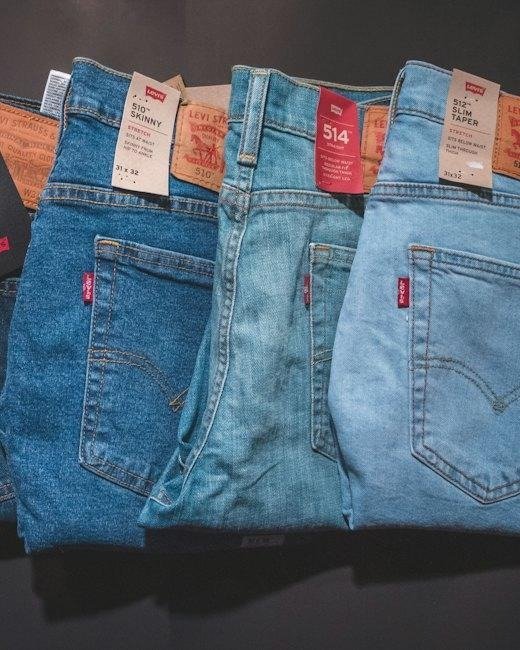
That durability is also what makes denim the perfect keeper — the rare thing that improves with age. Unlike almost everything else you own, a good pair of jeans doesn’t wear out so much as wear in. The indigo fades exactly where your body moves — the whiskers at the hip, the honeycombs behind the knee, the lighter patch where your phone lives — until the denim becomes a kind of map of your life, impossible to buy and impossible to fake. Every wear makes them more yours and less anyone else’s. Run the maths and the logic only sharpens: a well-made pair worn hundreds of times costs a few cents an outing, while the cheap pair you replace every year quietly costs far more, in money and in waste. The jeans that last aren’t the expensive option. They’re the thrifty one. It is telling that an entire collector’s market exists for old, worn-in Levi’s, with vintage pairs changing hands for far more than they cost new — proof that in denim, age is not depreciation but appreciation. No one has ever queued to buy a stranger’s year-old fast-fashion trousers. A broken-in pair of jeans, by contrast, is one of the few garments that becomes more valuable, and more personal, the longer it is loved.
Levi’s Is Betting on Longevity
What’s striking is that Levi’s, of all companies, keeps actively arguing against buying more. Its “Buy Better, Wear Longer” campaign openly asked customers to consume less and choose quality over quantity — an almost heretical message from a company that sells clothing. It backs the words with systems: Levi’s SecondHand, a resale platform that buys back worn Levi’s and gives them a second life; in-store Tailor Shops that repair and customise rather than discard; and Water<Less manufacturing, a suite of techniques that has saved billions of litres of water in finishing. A company that will happily resell you someone else’s old jeans, or mend yours instead of selling you new ones, is a company betting on longevity as the product. It has even leaned into circularity directly, running programs to take back worn denim and recycle it into new fabric, closing the loop rather than feeding the landfill. None of this is pure altruism, of course — longevity is also smart business when your product genuinely lasts. But the incentives line up beautifully with yours: a brand that profits when a pair survives is a brand on the side of the person trying to buy less and keep more. That is exactly the bet a buy-it-for-life wardrobe is looking for.
▶ FIND YOUR FOREVER PAIR AT LEVI’S
How to Buy a Forever Pair
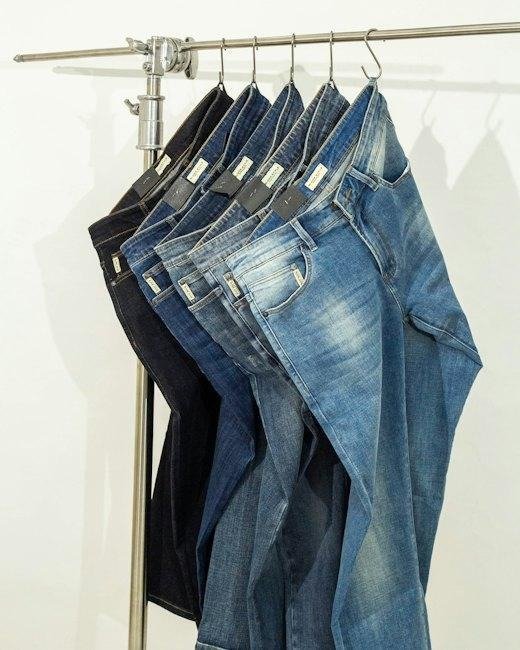
So how do you actually choose a forever pair? Start with fit, because the jean you keep for a decade is the one that feels right from the first week — explore the family beyond the famous straight-leg 501 until you find the rise and leg that genuinely suit you, not the internet’s favourite of the moment. Lean toward heavier, rigid or minimally-washed denim if you want the deepest fades, and be patient: raw denim earns its character over months of real wear. When they eventually blow a knee or fray a hem — and a loved pair always does — repair before you replace. A patch or a re-stitch is not a flaw; it is proof the garment was worth keeping. If you go the raw route, resist the urge to wash them constantly; airing them out and washing sparingly, inside out and cold, preserves both the colour and the character the fades are busy building. Treat the first month as an investment that pays off for a decade. Buy once, buy for the body you have, and wear them until they tell your story back to you.
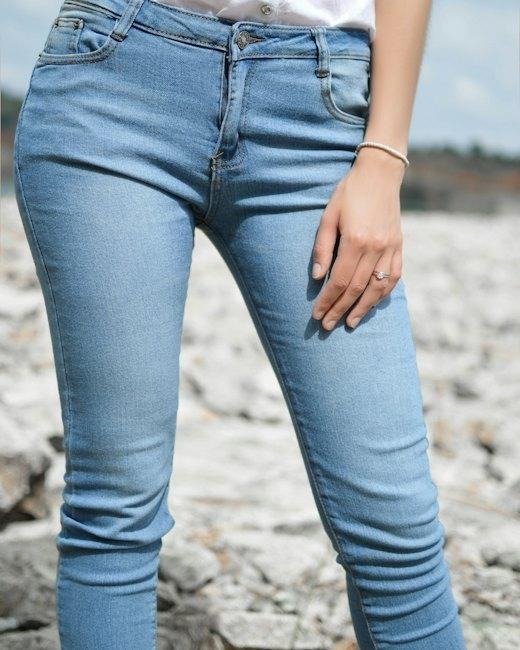
The Pants That Remember
There is a reason people keep jeans they can no longer fit into, and hand pairs down to their kids, and mourn the ones that finally give out. Denim remembers. It holds the shape of the years you spent in it in a way that this season’s disposable trend never will. Choosing a pair built to last — and then actually keeping it — is a small, stubborn act of resistance against a world that profits from your forgetting. It is better for your wallet, better for the planet, and, quietly, better for you: a wardrobe of things you love and keep is a calmer place to live than a closet full of strangers. So buy the pair you’ll still be wearing in ten years, break them in, patch them up, and let them become the most honest thing you own.
▶ SHOP THE 501 & BEYOND AT LEVI’S
Disclosure: This article contains affiliate links. If you make a purchase through them, Urbanscut may earn a commission at no extra cost to you.