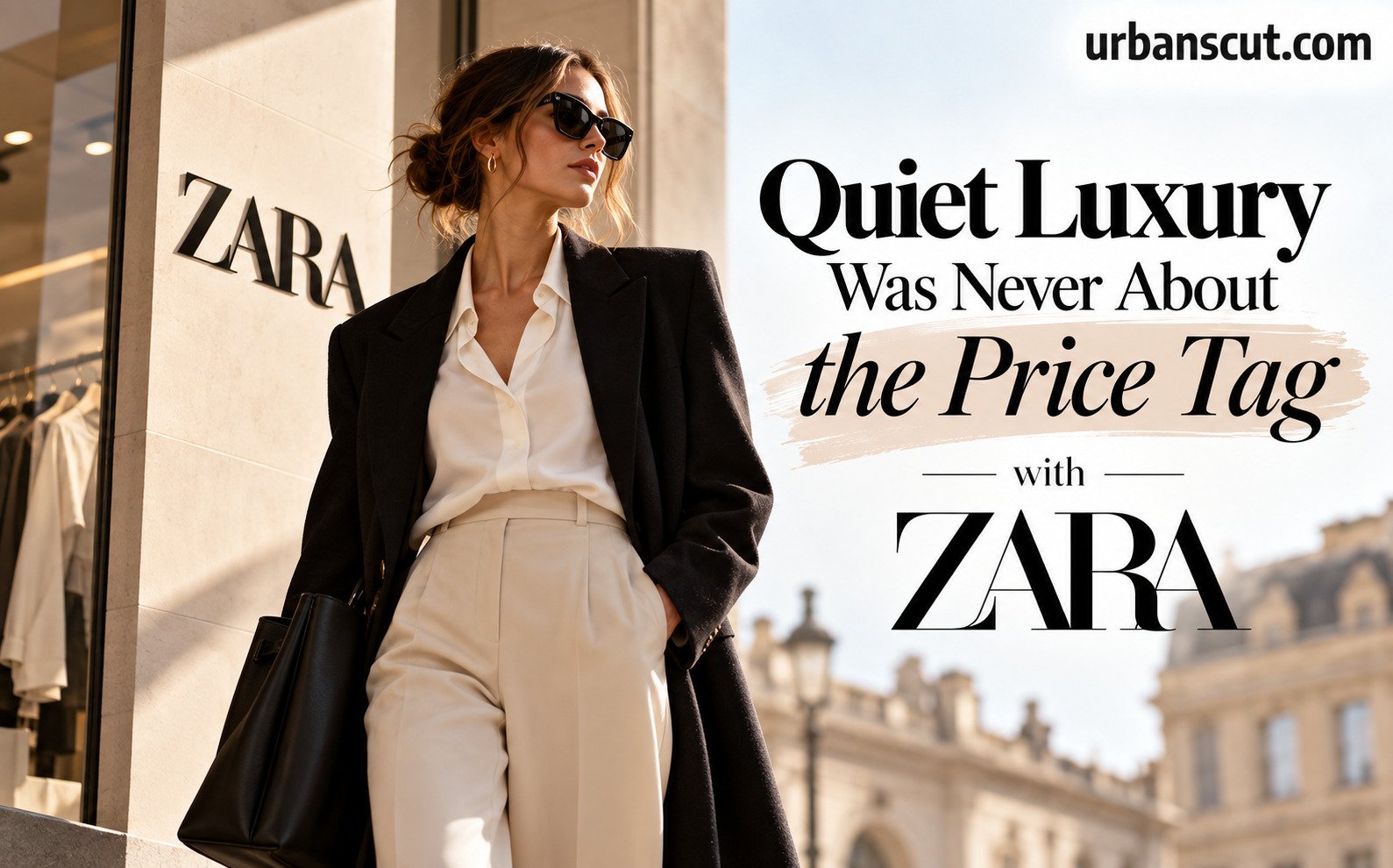
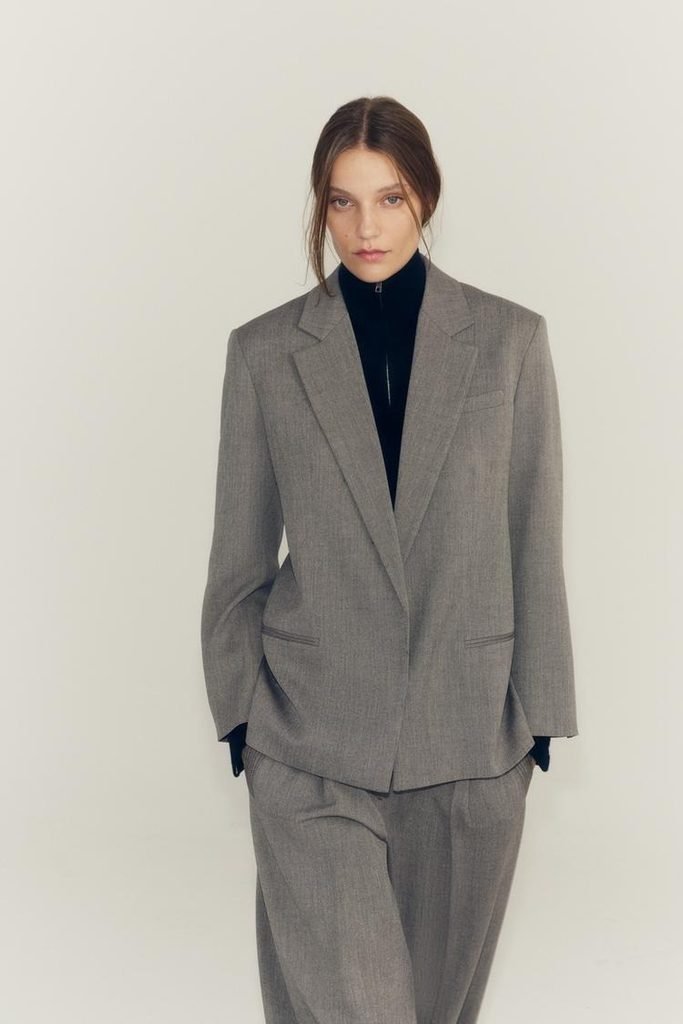
Look closely at the most expensive-looking person in any room and you’ll often notice what isn’t there. No logo shouting across the chest. No It-bag with a recognisable clasp. No visible effort at all — just a perfectly cut blazer in a quiet shade of grey, worn like it cost nothing to think about. For a few years now we’ve called this “quiet luxury,” and treated it as a trend. But the trend accidentally exposed a secret the fashion industry had spent decades carefully hiding: looking expensive has almost nothing to do with spending a fortune. It never did. It is, and always was, about cut, fabric, colour and restraint — four things that are not for sale at any single price. A thousand-dollar logo hoodie can look cheap; a well-fitted forty-dollar blazer can look like money. The gap between them isn’t the budget. It’s the judgement.
The Logo Fell Silent
The timing was no accident. After years of logo parades, micro-bags and a new must-have every week, people hit a wall of trend fatigue. The culture pivoted — helped along by a certain television dynasty in muted cashmere — toward an “old-money” aesthetic that signalled status by refusing to signal at all. The new markers of quality became quieter and, crucially, more learnable: a neutral, muted palette (think oyster, clay, ink and olive), natural fabrics that drape and last, clean tailoring with the details done right, and the discipline to leave well enough alone. The loudest thing in the outfit became the fit. And fit, unlike a four-figure handbag, is democratic. There is also something deeper underneath the aesthetics. In lives that now span a dozen roles in a single day — the meeting, the school run, the dinner, the flight — people started craving clothes that could keep up: pieces that work in every setting, flatter without fuss, and don’t date in a season. Understatement turned out to be the most practical kind of confidence. When your clothes aren’t straining to be noticed, you don’t have to either.
Zara’s Quiet Superpower
Which is where Zara quietly becomes the most useful name in the conversation. Founded in 1975 in A Coruña, on the Atlantic coast of Spain, by Amancio Ortega and Rosalía Mera, and now the flagship of the Inditex group, Zara built an empire on a radical idea: read what the runways and the streets are doing, and translate it into wearable clothing in a matter of weeks, not the industry’s traditional six months. Just as telling is what Zara refuses to do. It runs a near-zero-advertising policy, pouring the money most brands spend shouting at you into its stores and its product instead. That is, when you think about it, the purest quiet-luxury value there is: let the clothes do the talking. The result is a rail full of the exact pieces the look is built on — the sharp-shouldered blazer, the column trouser, the clean wool coat — at prices that don’t require a trust fund. With around two thousand stores worldwide and fresh deliveries landing constantly, Zara effectively put the elevated, pared-back wardrobe within arm’s reach of the high street. Before fast fashion, the understated designer look was gatekept by cost and time; Zara is a large part of why a considered, expensive-looking outfit is now something an ordinary budget can actually assemble.
Buy the Cut, Not the Label
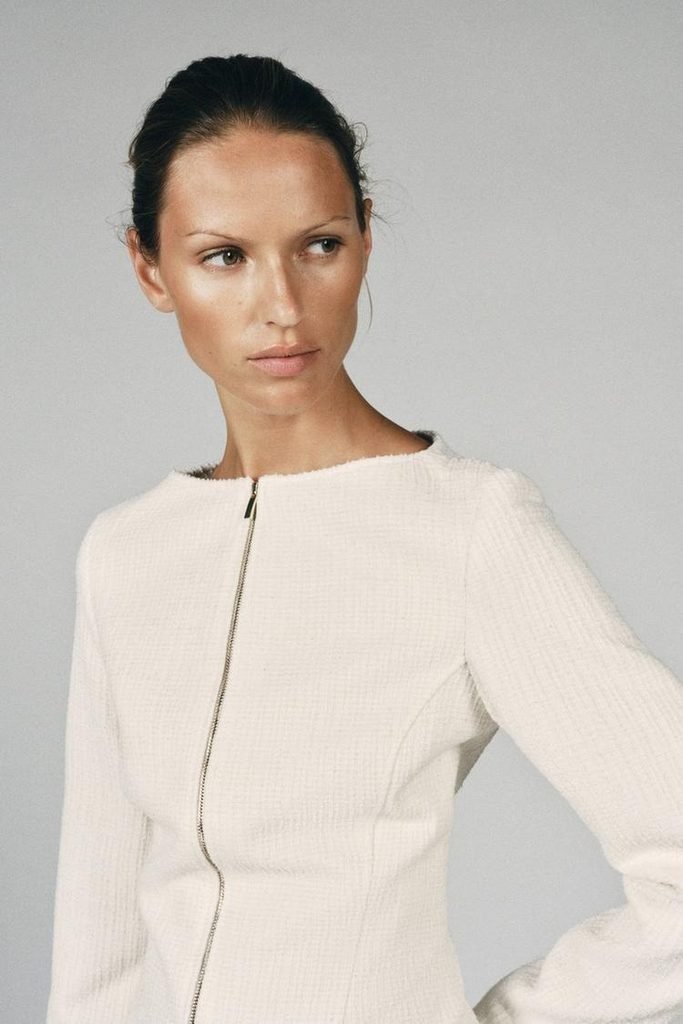
The skill, then, is learning to buy the cut, not the label. Quiet luxury lives in three places, and all three are within reach. First, fit: a modest blazer that has been nipped at the waist or had its sleeves shortened by a tailor will out-dress an expensive one worn straight off the hanger — budget a little for alterations and it changes everything. Second, fabric: favour natural fibres and heavier weights that hold their shape, and learn to read a garment by its drape rather than its brand. Third, palette: commit to a tight run of neutrals so that almost everything you own quietly combines with everything else. Do those three things and a handful of considered pieces will read as far more than the sum of their receipts. In practice, the whole look is built from a short list of foundations — a tailored blazer, straight-leg trousers, a long clean coat, a fine-gauge knit, a crisp white shirt, one good pair of leather shoes. Learn to inspect them like a buyer, too: check that the seams lie flat, that the lining is present and neat, that the buttons feel solid and the pattern matches at the joins. Those small signals of care are exactly what the eye reads as “expensive,” and they cost nothing extra to notice.
Fewer, Better, Worn to Death
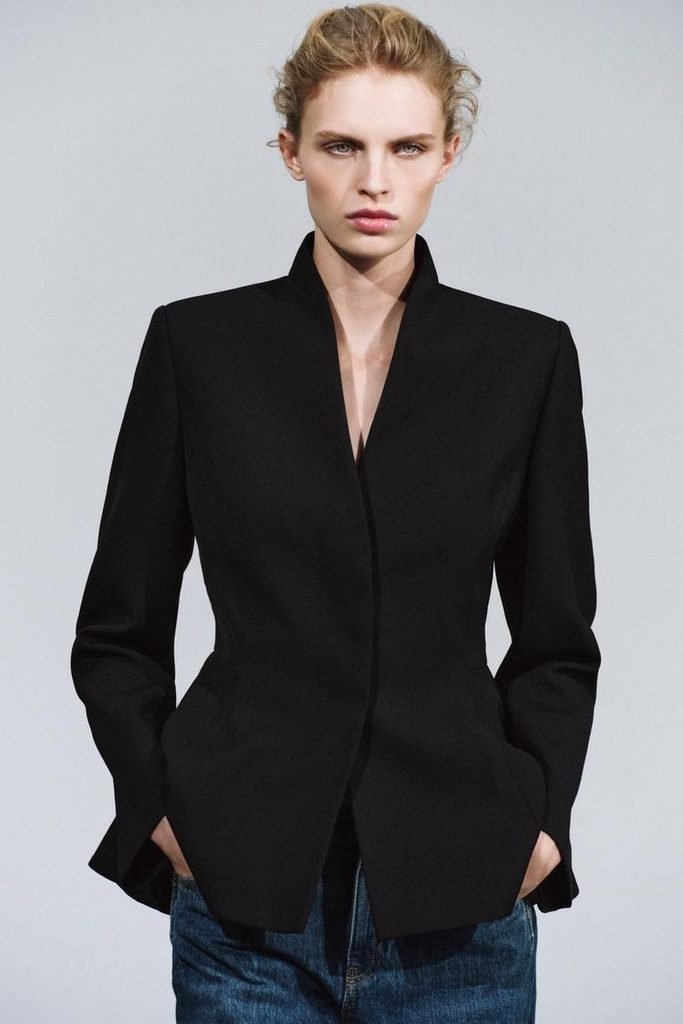
There is one honest catch, and it’s worth naming. The very speed that makes Zara brilliant — new stock landing constantly, a fresh temptation every visit — is also the thing quiet luxury is a reaction against. The antidote isn’t to stop shopping there; it’s to shop there differently. Treat the newness as a way to find the right thing, not to accumulate the next thing. Buy the coat you’ll wear for five winters, not the novelty you’ll forget by spring. Favour the pieces from ranges like Join Life, Zara’s more responsibly made line, and judge every purchase by cost-per-wear rather than the number on the tag. Quiet luxury, done properly, is a fewer-better philosophy wearing an affordable coat — and a wardrobe of things you genuinely keep is both the chicer and the greener way to own it. Build a small “uniform” you trust and wear it into the ground; repetition, not variety, is what makes a person look like they have style rather than just stuff. The most enviable dressers you can think of all wear roughly the same thing on purpose — and they look richer for it, not poorer.
The Last Word Is Confidence
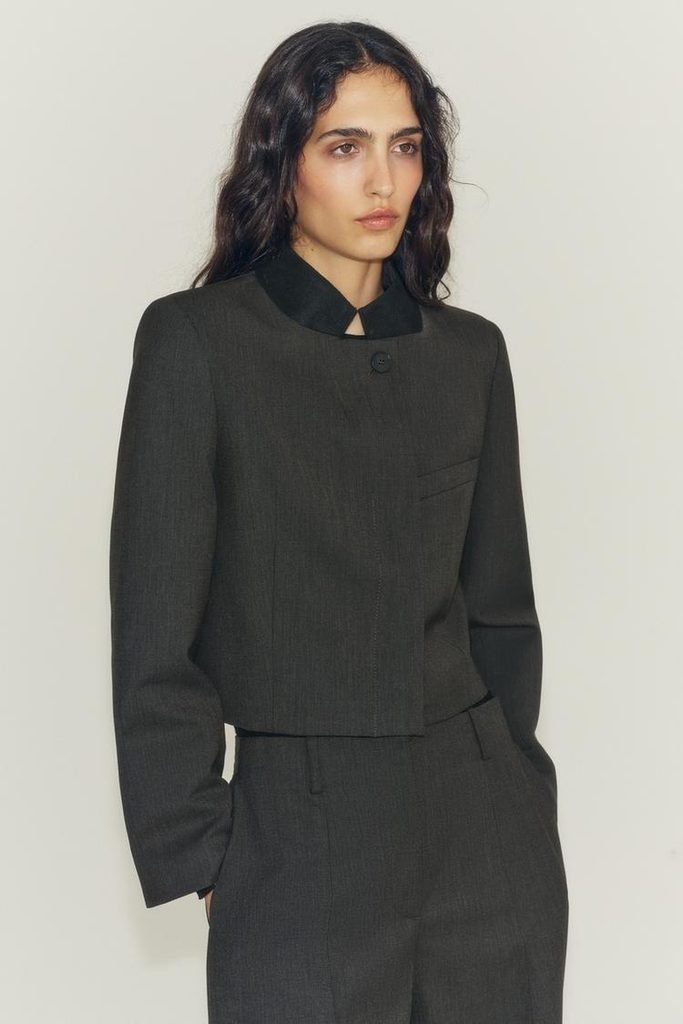
In the end, the whole aesthetic comes down to a single, slightly unfashionable idea: stop trying so hard. The person in the flawless grey suit isn’t winning because they spent the most; they’re winning because they decided what they liked, bought it well, and then got out of the clothes’ way. That is the real luxury, and it was never locked behind a designer door — it’s available to anyone willing to choose cut over logo, fabric over flash, and calm over noise. The money you don’t spend chasing labels is better spent on a tailor and on a little patience — finding the right grey coat instead of five cheaper ones. Get that right once and you stop shopping out of anxiety and start dressing out of certainty, which is a quieter kind of wealth than any wardrobe can hold. Dress like you have nothing to prove, because the quietest outfit in the room is almost always the one saying the most.
▶ SHOP THE NEW COLLECTION AT ZARA
Disclosure: This article contains affiliate links. If you make a purchase through them, Urbanscut may earn a commission at no extra cost to you.