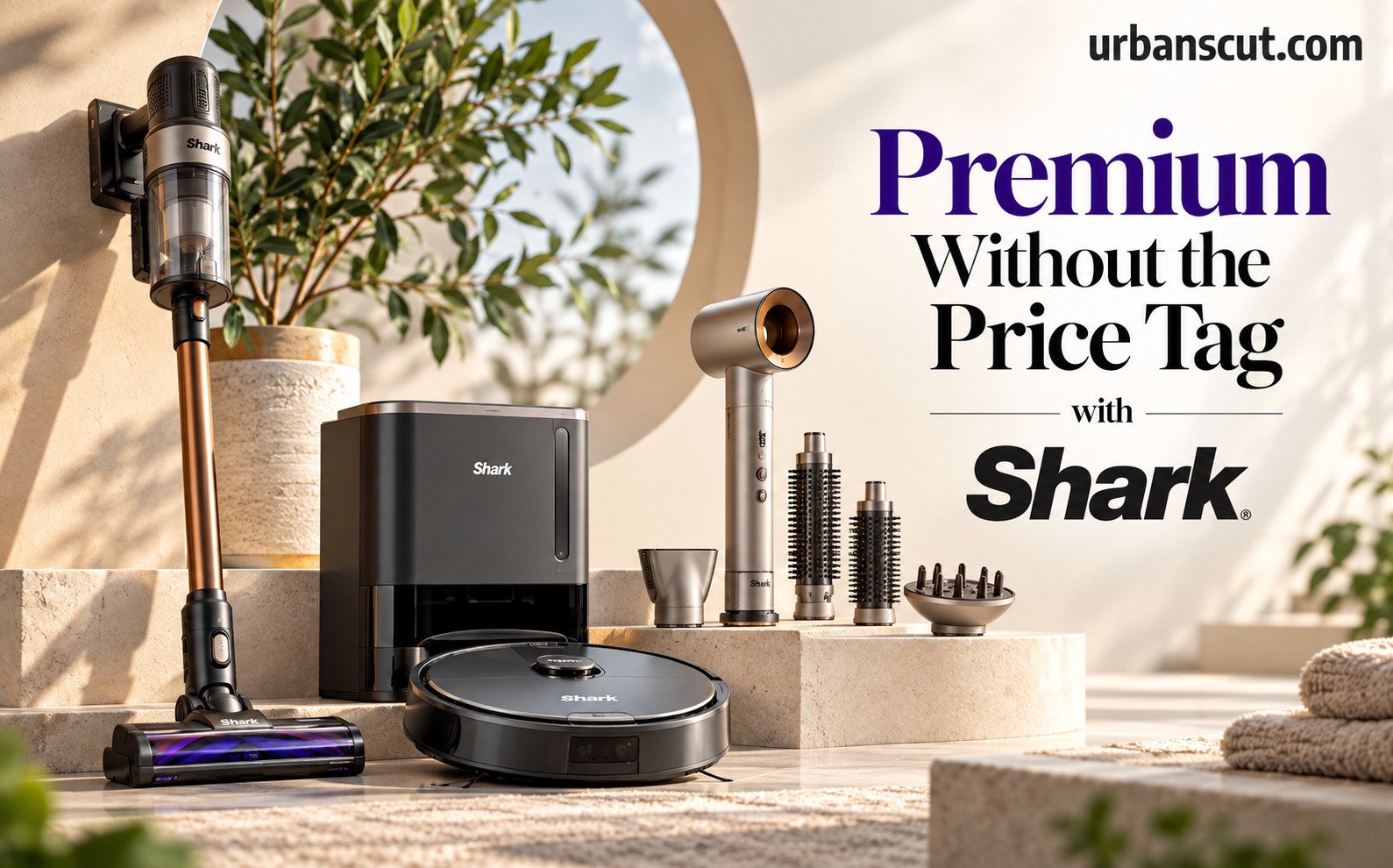
There is a quiet tax most of us have paid without ever seeing the invoice. For decades, buying a genuinely excellent vacuum or a salon-grade hair tool meant handing a famous brand several hundred dollars — and a surprising share of that money went not to the motor or the engineering, but to the name on the box. We accepted it, because “premium” and “expensive” had become the same word. Then a challenger showed up, matched much of the performance, and charged a fraction of the price — and the whole arrangement started to look less like quality and more like a tax you could simply opt out of. That challenger is Shark. And once you’ve seen the trick, it’s hard to unsee it: the gap between “the famous one” and “the clever one” is often far smaller than the gap between their price tags.
The Challenger That Became the Standard
Shark isn’t a plucky newcomer so much as a patient one. Its parent, SharkNinja, grew out of a family appliance business called Euro-Pro — founded back in 1994 and headquartered since 2003 in Needham, Massachusetts. The Shark brand itself launched in 2007, built around a then-radical promise of vacuums with “no loss of suction,” and the company spent the years since doing one thing with unusual discipline: studying what makes high-end appliances genuinely good, then engineering that performance down to a price ordinary people would actually pay. It worked. Shark became one of the best-selling vacuum brands in America, expanded into hair tools, air purifiers and beauty devices, and in 2023 SharkNinja went public on the New York Stock Exchange. The strategy never changed: let the prestige brands define “premium,” then deliver most of it for far less. It’s the same playbook that turned its sister brand, Ninja, into a kitchen-counter staple — air fryers and blenders that quietly matched pricier rivals — and it rests on a culture of relentless iteration, shipping new models fast and folding real customer feedback back into the next version. The result is a company that behaves less like a luxury house guarding a reputation and more like an engineering shop obsessed with the question: how good can we make this for a price people will actually pay?
The Hair-Tool Upset: the FlexStyle
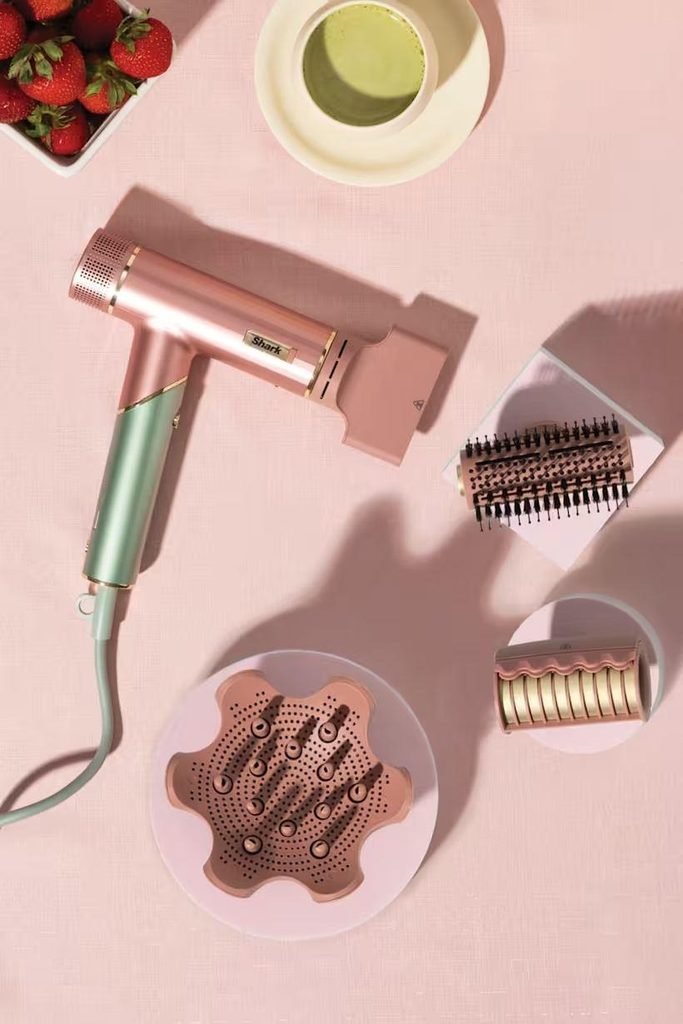
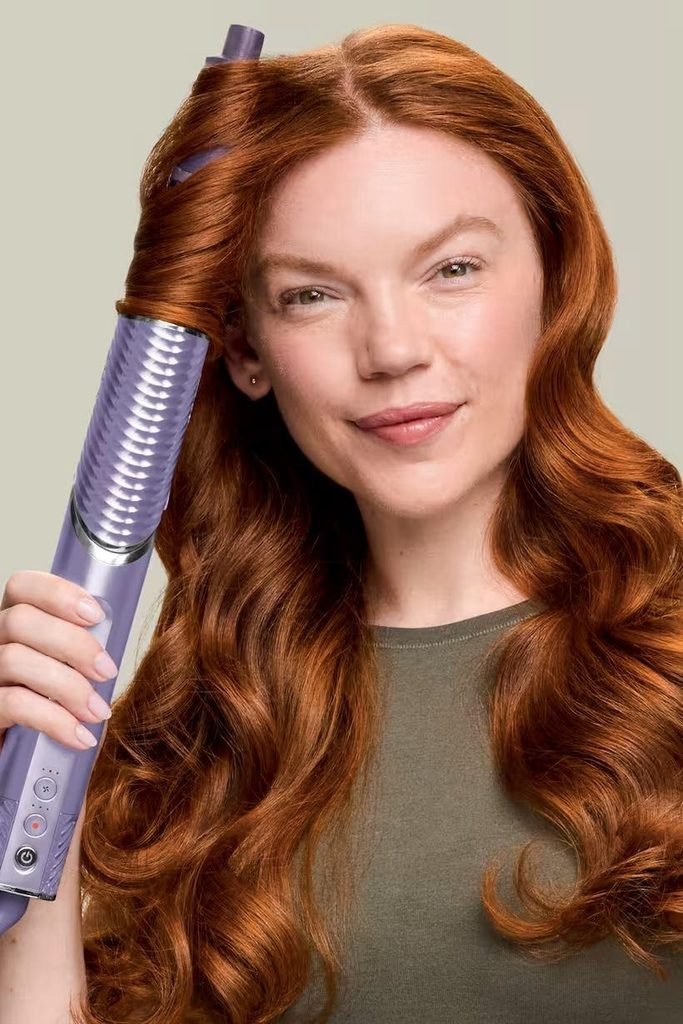
Nowhere is that clearer than in hair. For years, the Dyson Airwrap — a genuinely brilliant multi-styler that uses the Coanda effect to wrap hair around a barrel on a jet of air — was the undisputed, unavoidable, roughly $550–$600 status object of the bathroom shelf. Then Shark released the FlexStyle, a multi-styler that does the same core trick — the same airflow physics, a clever rotating barrel that converts the whole thing into a normal hair dryer, and a kit of auto-wrap curlers, brushes and a diffuser — for roughly $200–$270. Reviewers have been refreshingly honest about it: the Dyson still edges ahead on outright polish, but the FlexStyle was the first tool to make that gap feel small, and for most people it delivers the overwhelming majority of the experience at a third to a half of the cost. That is the Shark thesis in a single product. And the significance goes beyond one gadget: a $200 tool that gets you most of the way to a salon blow-out quietly democratises something that used to be gatekept by price. The person who was never going to spend $600 on their hair now has a real option — and that, more than any spec, is what makes the FlexStyle matter.
▶ SHOP SHARK AT THE OFFICIAL SITE
Vacuums for How People Actually Live
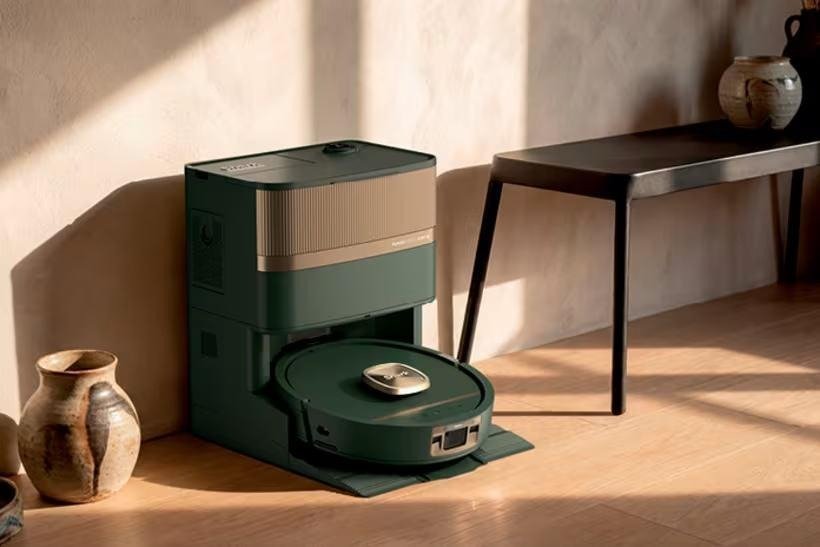
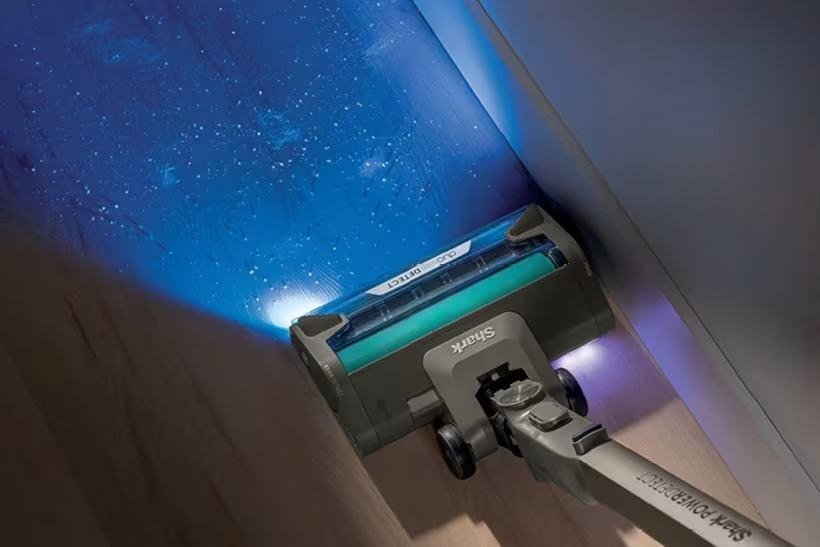
The vacuums that built the brand tell the same story, just across more of your home. Shark’s robot vacuums now arrive with self-emptying bases that let you forget about the thing for weeks at a time; its cordless stick vacuums chase crumbs, pet hair and stairs with the kind of suction and run-time that used to carry a four-figure price; and its upright models still anchor the range for anyone with a lot of carpet. The point isn’t that any one of these is the single best vacuum ever made. It’s that, category by category, Shark tends to land remarkably close to the premium benchmark while costing dramatically less — which, multiplied across a whole house, is real money kept in your pocket. The details back it up, too: dual brush-rolls that handle carpet and hard floor without a swap, anti-hair-wrap designs that save you cutting tangled hair off the roller, sealed filtration that keeps fine dust and allergens trapped, and batteries you can swap to keep going. For pet owners especially — the people who punish a vacuum hardest — Shark has built much of its reputation on gear that simply keeps up. None of it is glamorous. All of it is the stuff you actually feel on a Saturday morning.
Buy Smart — and Buy Real
So how do you actually buy well here? Start, as always, from your life, not the marketing. Pet owners and carpet-heavy homes should prioritise suction and brush design; hard-floor apartments can lean on a nimble cordless or a self-emptying robot; curly and fine hair want different FlexStyle attachments, so read for your texture rather than the headline. And then one piece of advice that matters more with Shark than almost any brand: buy from the genuine source. Because Shark products are popular and in demand, the category attracts look-alike websites and unauthorised sellers, some using “official”-sounding names that have nothing to do with the company. Buying from Shark’s own website or its official storefronts is the only way to be sure you’re getting an authentic unit — with the real warranty, the real support, and the performance this whole article is about. A few simple habits protect you: check that the web address is genuinely Shark’s own, be wary of any “official” site that can’t show real company details or only ever bounces you to a checkout elsewhere, and treat a price that looks far too good as the warning sign it usually is. The irony is worth savouring — the whole appeal of Shark is paying a fair price for honest performance, so it would be a shame to lose both to a counterfeit. Buy it real, and the value is real.
Value Isn’t Cheap. It’s Smart.
It’s worth being precise about what “value” really means, because it isn’t the same as “cheap.” Cheap is buying the least you can and hoping it lasts. Value is refusing to pay a premium that buys you nothing but a logo — getting the suction, the airflow, the engineering you actually wanted, and keeping the difference. Shark built an entire company on the quiet realisation that most people never needed the most expensive option; they needed the smartest one. The brand tax, it turns out, was always optional. All you had to do was decide to stop paying it.
▶ EXPLORE SHARK VACUUMS & HAIR TOOLS
Disclosure: It contains affiliate links; if you buy through them, Urbanscut may earn a commission at no extra cost to you.