
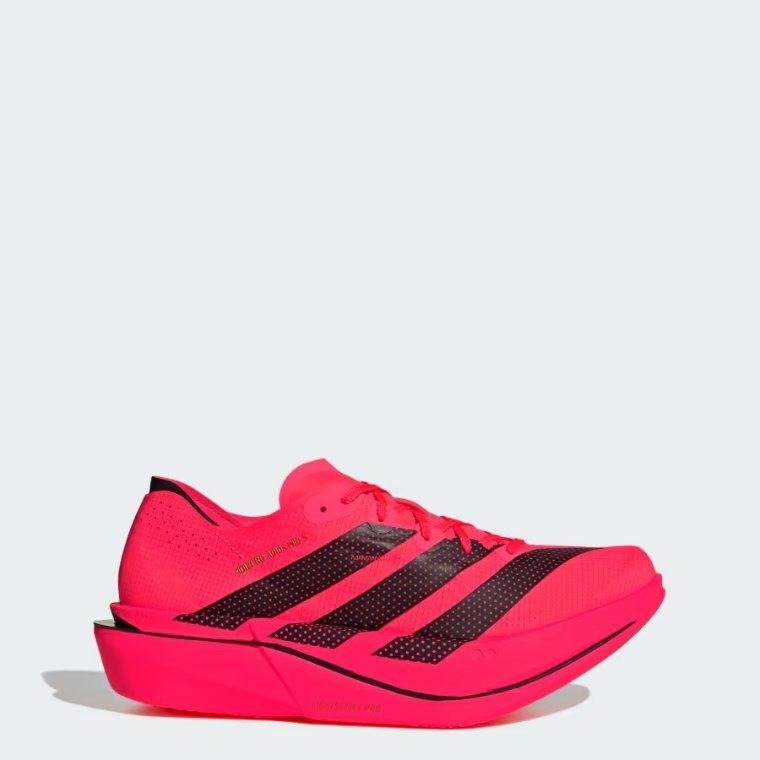
In April 2026, on the streets of London, something that had been called impossible for as long as anyone had been timing it finally happened. Kenya’s Sabastian Sawe crossed the line in 1 hour, 59 minutes and 30 seconds — the first official marathon ever run in under two hours — on his feet a pair of adidas Adizero Adios Pro Evo racing shoes. The same day, in the same shoe, Tigst Assefa reset the women’s world record. A barrier that had stood like a wall for a century simply fell. But here is the thing about that morning: the most important runners of 2026 were not the two at the very front. They were the millions who watched, laced up a few days later, and decided the start line was for them too.
The Run Club Is the New Nightclub
Because the real running story of this decade isn’t happening at the elite level — it’s happening at 6 a.m. in ordinary parks and on ordinary streets. Running has quietly become the defining social movement of the moment, and the numbers are striking. In one recent survey, 84% of people said they would rather attend their run club than go out at night. Nearly half said a run club is now their primary way of meeting new people, and a quarter said they had found four or more close friends through one. The run club has become the new nightclub — a place to belong, to clear your head, to trade the doom-scroll for daylight and a pavement and other people breathing hard beside you. It makes sense when you look at what surrounds it: socializing has grown expensive, screens have grown exhausting, and a generation raised on loneliness statistics went looking for something free, repeatable and real. Running is all three. It costs little more than a pair of shoes, it asks only that you show up, and it hands back energy, better sleep and a clearer head in return. Running stopped being punishment for what you ate and became, for a whole generation, the best part of the week.

A Company That Started at the Start Line
No brand understands that start line better than adidas, because it has been standing on it from the very beginning. The company was founded in 1924 in the small Bavarian town of Herzogenaurach by a cobbler named Adi Dassler, whose entire obsession was deceptively simple: build a better shoe so athletes could do more than they thought they could. A century on, the Three Stripes sit on everything from Olympic spikes to the Samba, Gazelle and Superstar you wear when you’re nowhere near a track. Through all of it, one phrase has carried the brand’s whole philosophy — Impossible Is Nothing. It isn’t a tagline so much as a dare, and in 2026 it stopped being a slogan and became a stopwatch reading 1:59:30. That lineage matters, because it means adidas has spent a hundred years learning the same lesson at both ends of the sport: what helps a world-record holder shave seconds and what helps a complete beginner survive their first mile are, surprisingly often, the same ideas — lighter, kinder, better-built shoes, and a reason to believe the next step is possible.
From the Record Books to Your Tuesday Run
What makes that record matter to the rest of us is what happens next: the technology trickles down. The carbon plates and ultralight Lightstrike foams that broke the two-hour wall don’t stay locked in the pro athletes’ kit bags — they filter into the shoes built for everyone else. The Adizero line is the sharp end, built for race day and chasing a personal best. The Supernova and Ultraboost families are the opposite philosophy made of the same ambition: cushioned, durable, forgiving shoes designed for the unglamorous miles that actually make a runner — the Tuesday jog, the recovery shuffle, the first week when everything hurts. You don’t need to run a sub-two marathon. You need to get out the door, and the right shoe quietly removes one more excuse not to. A decade ago, a shoe that made running feel genuinely easier was elite-only and nearly mythical; today that same philosophy sits in the everyday range, in your size, at a price that doesn’t require a sponsorship. That is the quiet democracy of the running boom — the gap between what the fastest human on earth wears and what you can lace up on a Wednesday has never been smaller.
Your Miles Are Worth Points
And this is where adidas does something genuinely clever for the everyday runner, through adiClub. Membership is completely free, and unlike most loyalty programs it doesn’t only reward you for spending — it rewards you for moving. You earn points on every purchase, yes, but you also earn them simply by logging your runs and training sessions, and by joining adidas Runners, the brand’s network of real-world run clubs. Every member gets free standard shipping and free returns, early access to new drops, and member-only products; climb the tiers and you unlock exclusive releases, events and athlete sessions. Read that back: a global sportswear company will literally give you points for lacing up and showing up. The incentive and the identity point in the same direction — the brand profits when you build the habit, so it is quietly invested in your streak, not just your shopping cart. For a new runner, that is the rare loyalty scheme that pays you to become the person you were already trying to be.
It Was Never About the Finish Line
If you’re standing at your own start line, don’t overthink it. You don’t need a plan built for a world-record holder; you need one pair of honest shoes and a reason to leave the house. Find a local run club — or join one through adidas Runners — because the research is blunt about this: over half of runners try a new shoe because a friend or their run club recommended it, and almost nobody keeps showing up alone. Let the community carry you on the mornings your motivation won’t. Start slow, repeat often, and let the streak, not the speed, be the point. Walk when you need to; nobody at the start line is watching your pace. Pick a distance so small it feels almost embarrassing — around the block, to the end of the street and back — and nail it so consistently that it becomes boring, then build from there. Consistency is the only training secret that has ever actually worked.
The two-hour marathon fell in 2026 because someone refused to accept a wall that everyone else treated as permanent. Your version of that wall is smaller and far more human — it’s the snooze button, the rain, the voice that says you’re not a runner. But the distance between those two walls is shorter than it looks, because they come down the same way: one step past the point where it felt impossible. You don’t need to be fast, and you don’t need to be ready. You just need to lace up, open the door, and go. The clock is already running — and impossible, it turns out, was never anything at all.
▶ JOIN ADICLUB & START YOUR STREAK
Disclosure: This article contains affiliate links. If you make a purchase through them, Urbanscut may earn a commission at no extra cost to you.